Christmas is a lighting problem, not a costume problem
Most Christmas prompts fail the same way: they ask for red and green, and the model delivers a colour-clashing snapshot that looks like a supermarket advert. What actually reads as Christmas is light and material. A single warm tungsten source low in the frame, a string of small practical lights going soft at the edges, wool and knit texture catching that light, breath visible in cold air — those are the signals a viewer recognises before they notice a single decoration. Green and red are the last ten percent, not the first ninety.
That is good news for this library. We do not have a Christmas-specific shoot yet, but we do have eight prompts that already get the hard parts right — cold-climate air, lantern light, tungsten interiors, knit texture — which means you can reach a convincing Christmas frame by changing wardrobe, props and one or two light words instead of rewriting from scratch. The eight cards below are the bases; the recipe underneath is how to convert them.
The three groups of bases
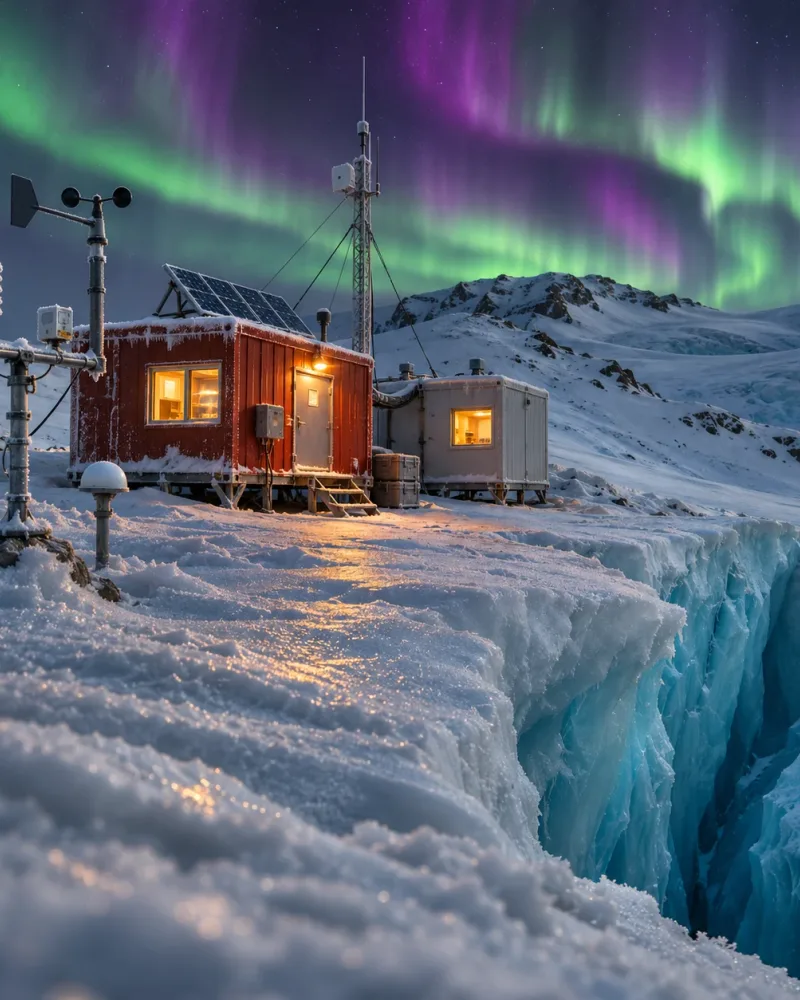
The winter group is the polar weather station: a miniature 3D scene with cold ambient light and layered outerwear. It is the closest thing in the library to an outdoor Christmas scene, and because it is a diorama, small props read clearly — a tiny wreath or a string of lights will not disappear at thumbnail size.
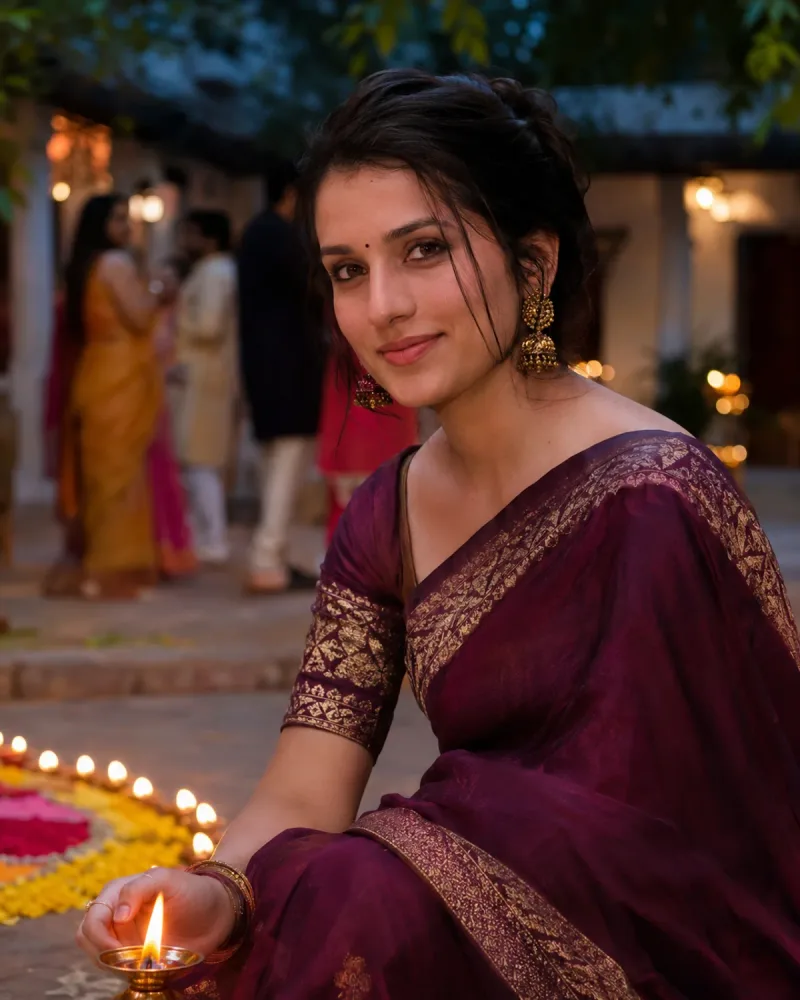
The lantern group is the Diwali courtyard, and it is here for one reason: it already solves festival light. Dozens of small warm sources at different depths, an evening courtyard, fabric catching the glow. Swap the occasion and you have Christmas Eve outdoors — the lighting logic transfers even though the festival does not.
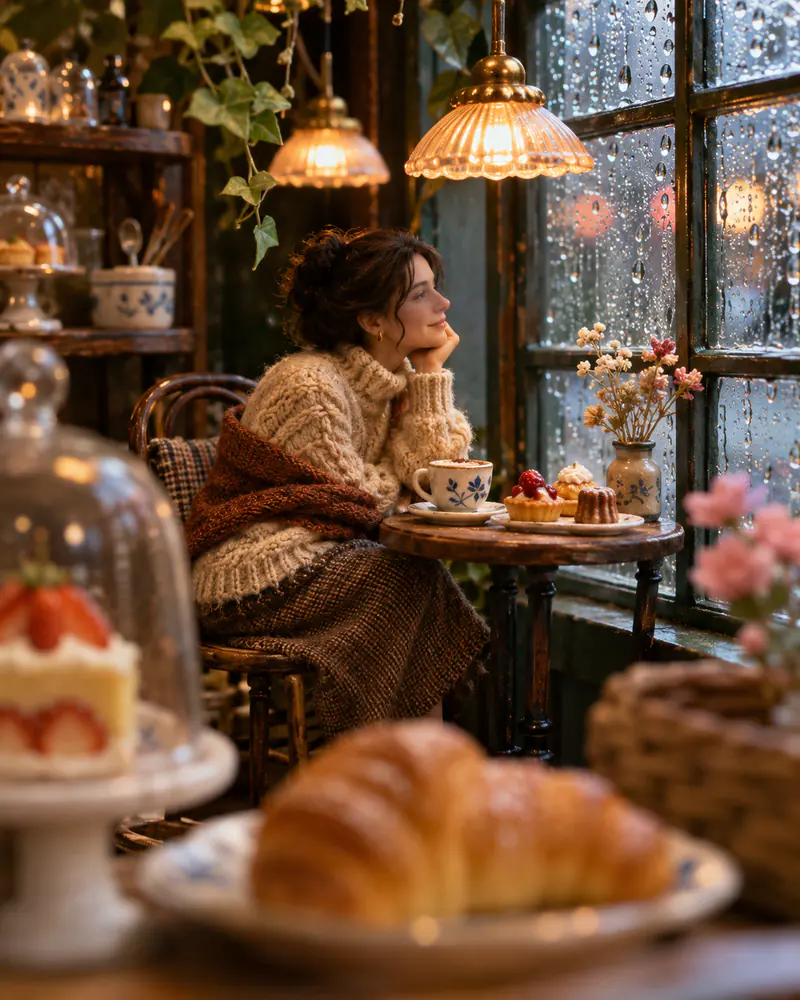
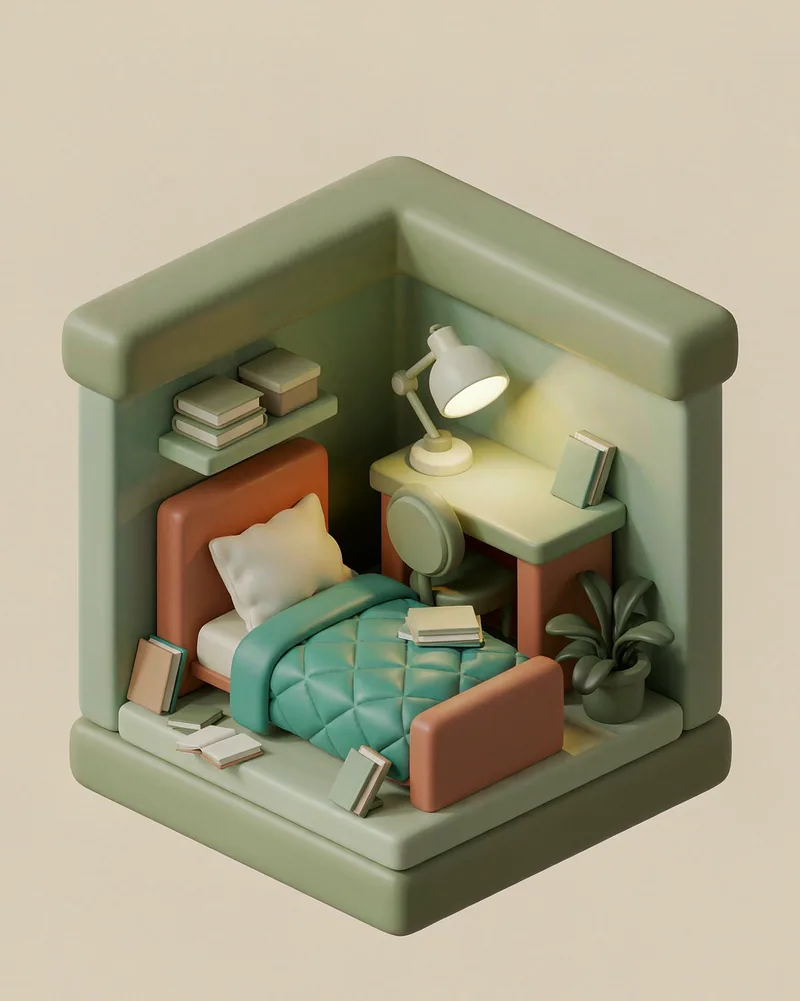
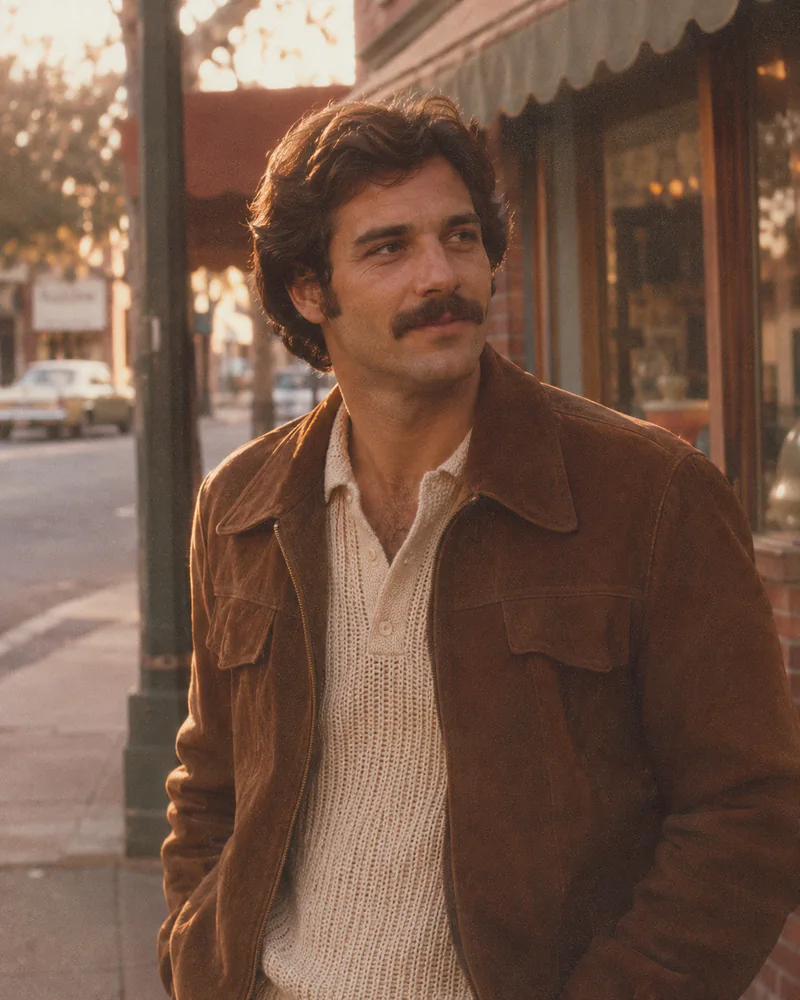
The warm-interior group is six prompts: two miniature interiors (a cafe diorama and an isometric bedroom), a tungsten diner booth, a warm office headshot, a vintage-film city portrait and a coastal sweater portrait. Every one of them is lit by something warm and directional, which is exactly the base you want for indoor Christmas portraits — tree lights, fireplace, candlelight or a single table lamp all behave like these sources.
The four-slot rewrite
Take any card, copy its prompt, and change exactly four things. Leave the lens, the framing and the colour language alone — those are what keep the picture looking deliberate.
Slot one, scene. Move the location to where your Christmas happens: a living room with a tree just out of frame, a snowy doorstep, a kitchen the morning after. Keep the original depth cues — if the base says foreground bokeh, keep foreground bokeh.
Slot two, wardrobe. Knit, wool, flannel, a scarf with visible fibre. This is the highest-yield change: texture catches light, and light is what sells the season. Avoid costumes — a Santa suit turns the image into novelty, a heavy sweater keeps it a portrait.
Slot three, light. Name one dominant warm source and one small accent. For example: warm tungsten key from the left, a soft string of practical lights behind the subject. If the base already names a light, keep its direction and only change its colour temperature.
Slot four, prop. One prop, not five. A mug, a paper crown, a single wrapped box, a pine branch on the table. One prop reads as a story; five read as a stock photo.
Three worked conversions
Cafe diorama to Christmas market. Keep the miniature scale and the warm interior key. Change the counter to a wooden stall, add a string of small lights along the awning, put a paper cup in the figure's hand. Because it is a diorama, the tiny scale does the festive work for you.
Tungsten diner to late-night Christmas kitchen. Keep the tungsten neon and the booth framing. Swap the diner fittings for kitchen tiles, replace the neon sign with a window reflecting string lights, and change the drink to a mug. The colour cast is already right; only the set dressing moves.
Polar station to a snowy Christmas Eve. Keep the cold ambient base and the outerwear. Add a warm window glowing from inside the station, a small wreath on the door, and visible breath. The contrast between cold exterior and one warm source is the whole picture.
When the model overdoes it
Two failures are common. The first is decoration spam: the model fills every surface with baubles and the frame turns into noise. Fix it by naming what should stay empty — a plain wall, an uncluttered table — and by reducing the prop slot to one item. The second is oversaturated red and green. Fix it by asking for a warm neutral palette with one red accent, and by keeping the original colour language from the base card. If the result still looks like a card shop, remove colour words entirely and let the light do the work.
Where to go next
Start from the full library on the prompt library page if you would rather browse all one hundred rows, or open the lifestyle photo prompts collection for the warm-interior bases in their original context. The photography prompt guide explains every slot used above — subject, lens, light, colour — and the latest prompts page shows what was added most recently. Each card below links to its own detail page with the full prompt and example image.